
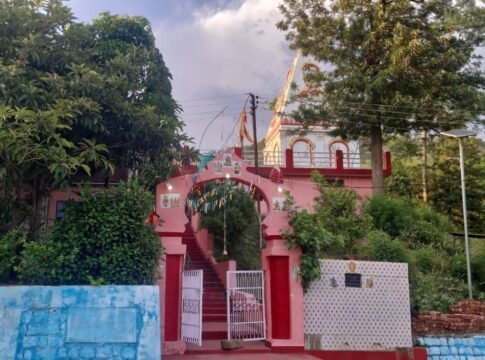

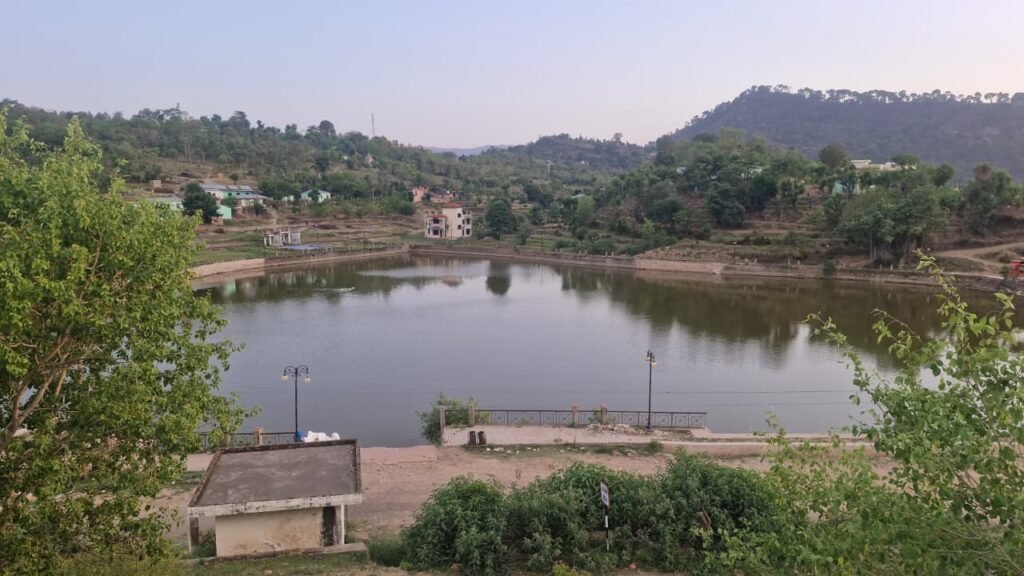
RAMNAGAR: Nestled deep within the lush hills of Ramnagar in Udhampur district lies the sacred Dalsar Lake and an ancient Shivling temple that continues to mystify devotees and pilgrims alike.
Far from mainstream tourist circuits, the spiritual site attracts devotees and saints who believe the land was blessed by the divine presence of Mahadev (Lord Shiva) and Mata Parvati (Goddess Parvati). Local traditions and historical references have shaped Dalsar into a living symbol of faith and Himalayan spirituality.
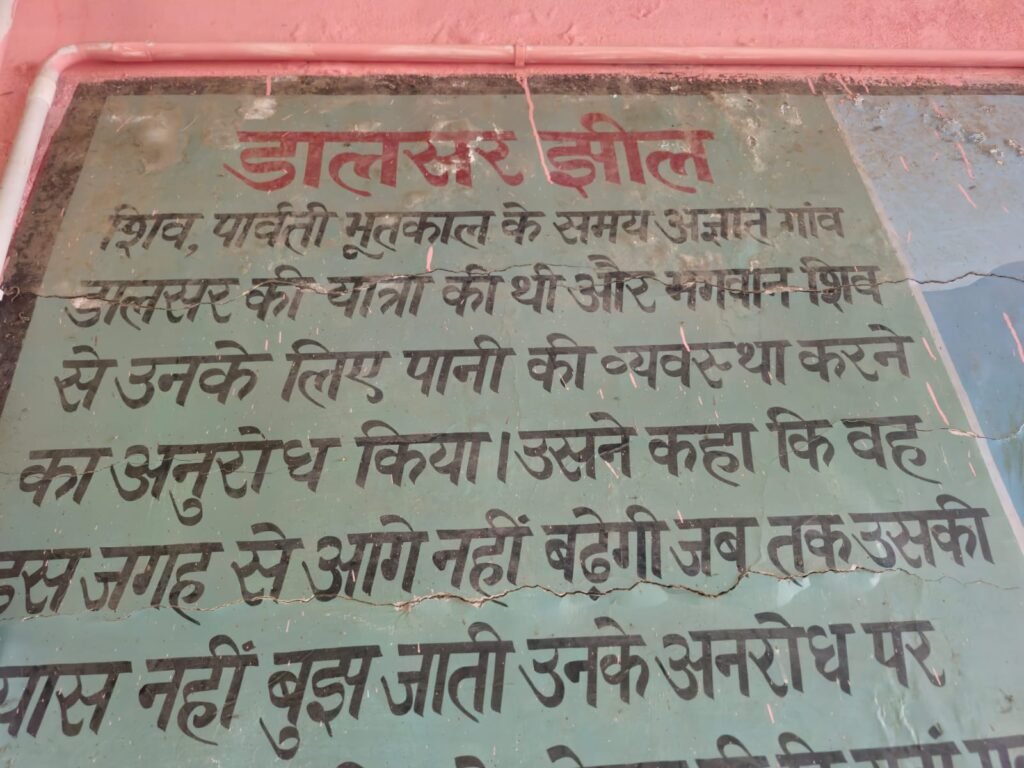
According to Mandir Committee member Sanjay Singh and local resident Swarn Singh, the entire Dalsar region was once a dense forest frequented by sages and divine beings. During a celestial journey, Goddess Parvati is believed to have felt thirsty and requested Lord Shiva to arrange water.
When no visible source could be found, Lord Shiva struck the ground with his trident, causing water to emerge from the earth and form what is now known as the sacred Dalsar Lake. Locals believe the lake carries divine energy and healing significance. The history of the site revolves around the discovery of an ancient Shivling near the lake centuries ago.
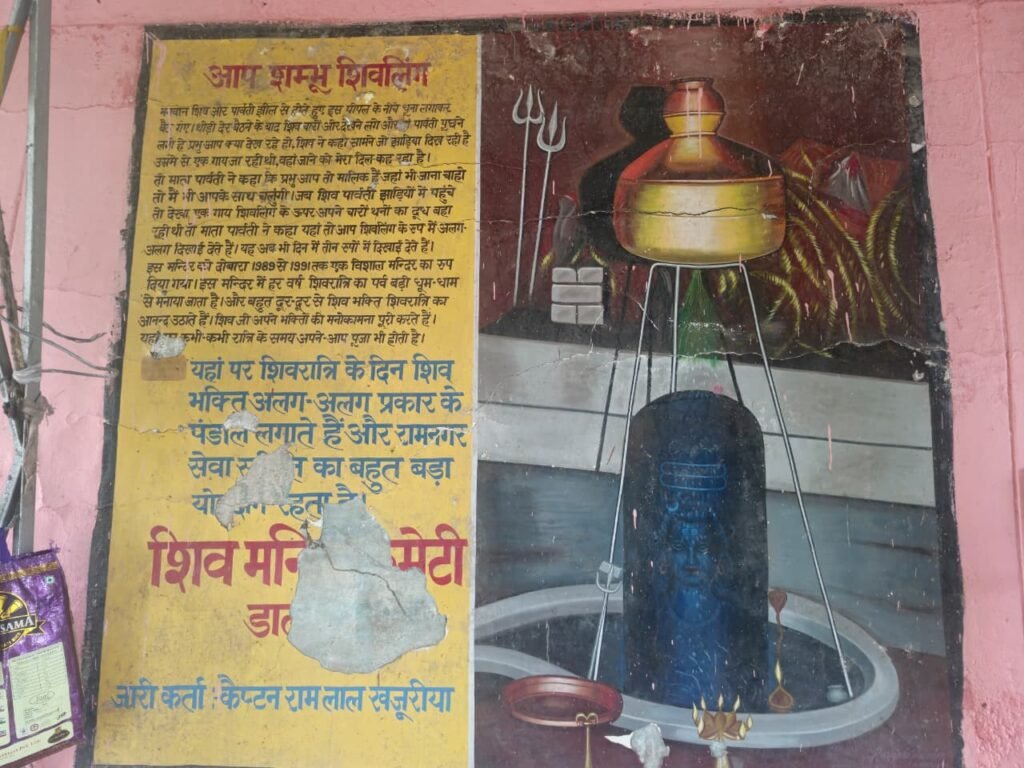
According to local belief, a Brahmin noticed that his healthiest cow had mysteriously stopped giving milk. Curious, he followed the cow into the forest and witnessed it releasing milk on its own over a specific spot on the ground. The Brahmin dug at the location and unearthed the ancient Shivling. Devotees believe that a visible mark on the stone was caused by a spade that accidentally struck it during the excavation.
As news of the discovery spread, the ruler of the historic Bandralta dynasty reportedly visited the site and ordered the construction of the first temple. Although a devastating earthquake damaged the original structure decades later, the shrine was rebuilt several times with the support of local patrons. The present temple, regarded as the third reconstruction, was completed in 1990-91 through community efforts.
Local resident Sita Devi Khajuria played a significant role in rebuilding the shrine in memory of her son, an Indian Army soldier, and her daughter-in-law, both of whom died in Srinagar.
One of the most intriguing beliefs associated with the shrine is the claim that the Shivling changes colour at different times of the day. Local residents and pilgrims report that the stone displays varying shades during the morning, afternoon, and evening.
Devotees claim to observe natural shifts between blue, dark grey, and black under changing light conditions. Some also believe the stone bears naturally formed impressions resembling facial features, including eyes, a nose, ears, and matted hair.
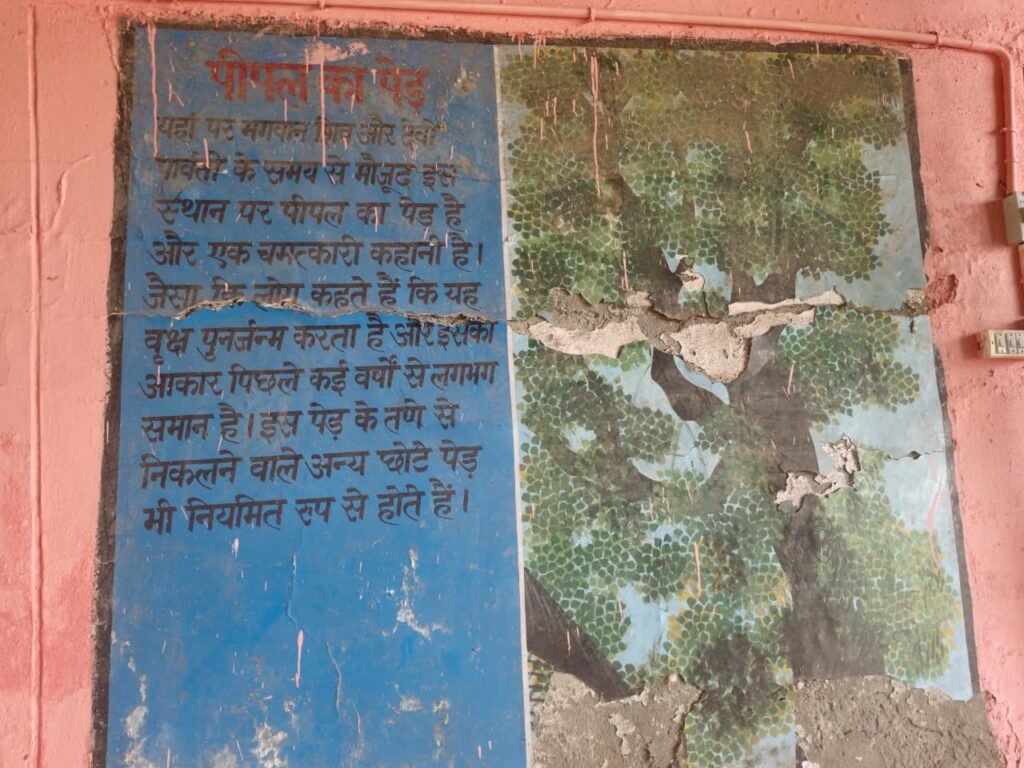
The spiritual landscape of Dalsar also includes an ancient banyan tree considered miraculous by villagers. Oral traditions suggest that the tree continuously renews itself, with fresh growth emerging from the trunk even as branches dry out.
The site gained prominence during the rule of the Dogra kings, when rulers such as Raja Ram Singh are believed to have constructed stone ghats, pathways, and resting places around the lake for pilgrims and travellers.
Mahashivratri remains the most significant annual festival at the shrine, attracting thousands of devotees for night-long worship, ritual offerings, and prayers.