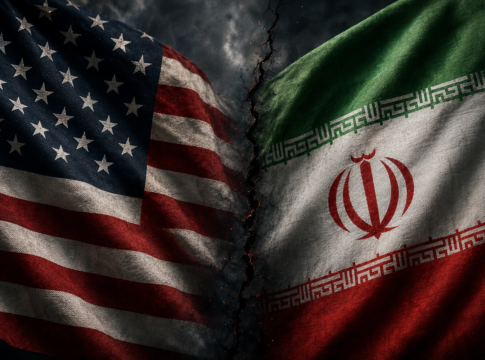

High-stakes negotiations aimed at solidifying a fragile peace framework between the United States and Iran took a dramatic turn on Sunday at the Bürgenstock Resort near Lake Lucerne, where optimism expressed by mediators and American officials gave way to sharp tensions following public threats from President Donald J. Trump.
Vice President JD Vance led the U.S. delegation in what was described as the first formal round of direct talks with Iranian officials since an interim memorandum of understanding was reached. Pakistan and Qatar served as key mediators in the quadrilateral format, facilitating discussions on Iran’s nuclear programme, the Strait of Hormuz, sanctions relief, and de-escalation in Lebanon.
The session opened with expressions of cautious optimism. Vance, flanked by envoys including Steve Witkoff and Jared Kushner, spoke of “great progress” and an “outstretched hand” toward transforming U.S.-Iran relations. Pakistan’s Prime Minister Shehbaz Sharif, standing at the podium, described the moment as “a great day that will lead to world peace,” underscoring Islamabad’s diplomatic investment in the process.
Within hours, however, the atmosphere shifted. While Vance remained engaged in the negotiating room, Trump posted on Truth Social: “Iran must immediately stop their highly paid PROXIES in Lebanon from causing trouble. If they don’t, we’ll hit Iran very hard again, just like we did last week, only harder!!!”
He later told Fox News that if Iran closed the Strait of Hormuz, it “won’t have a country,” while also suggesting the possibility of U.S. control over the strategic waterway.
Iran’s delegation responded swiftly. According to multiple reports, officials filed a formal complaint with the mediators and walked out of parts of the session, skipping a planned joint photo opportunity after approximately 80 minutes of formal talks. Iranian negotiators publicly rejected the threats, with one official stating that Tehran “doesn’t count on the threats of the Americans” and remains prepared to respond if necessary. Iran’s president also reaffirmed the country’s right to enrich uranium.
Despite the tensions, the talks did not collapse. Mediators from Pakistan and Qatar described the engagement as “positive and constructive,” noting agreement on a political oversight or de-confliction mechanism, particularly concerning Lebanon. Technical-level discussions are expected to continue. A joint statement highlighted encouraging progress toward a roadmap for a more permanent agreement.
Fragile Ceasefire and High Stakes
The Bürgenstock meetings build on a fragile ceasefire and memorandum of understanding aimed at ending broader regional hostilities involving Iran, Israel, Lebanon, and other actors. The framework includes provisions for limiting Iran’s nuclear activities, ensuring the reopening of the Strait of Hormuz for energy shipments, and addressing proxy conflicts across the region.
For India, the stakes are significant. As a major importer of Middle Eastern oil, New Delhi has a direct interest in the stability of the Strait of Hormuz, through which a substantial portion of its energy supplies pass. India also maintains longstanding ties with Iran, including the development of Chabahar Port as a gateway to Central Asia that bypasses Pakistan. At the same time, any broader regional de-escalation could ease geopolitical pressures affecting South Asia and Afghanistan.
Pakistani officials, including Army Chief Field Marshal Asim Munir, positioned their country as a credible mediator, a role that has helped restore some of Islamabad’s international standing. Sharif’s presence and statements reflected both diplomatic ambition and vulnerability, as the process risked unraveling amid escalating rhetoric.
Divergent Messages
The episode highlights a recurring feature of the Trump administration’s approach: a combination of forceful public messaging from the president alongside more measured diplomacy by senior officials. Vance, speaking after the session, downplayed the dispute as “a little bit of threatening and whining,” insisting that technical negotiations would continue.
Iranian officials, meanwhile, have consistently signalled that they are unwilling to compromise on core issues such as uranium enrichment while remaining open to agreements that provide sanctions relief and economic breathing room. The temporary walkout served as a public assertion of sovereignty and resolve.
Analysts note that such incidents, while disruptive, are not uncommon in high-stakes multilateral negotiations involving parties with deep mutual distrust. The involvement of experienced mediators such as Pakistan and Qatar provides a buffer, but the success of the process will depend on whether Washington can maintain a consistent negotiating posture.
Broader Geopolitical Context
The Switzerland talks are taking place against a backdrop of recent regional escalations, including Israeli military actions in Lebanon and Iranian threats involving key maritime chokepoints. A successful outcome could reshape alliances and energy flows across West Asia, with significant implications for global markets and major powers such as India, China, and European nations that depend on regional stability.
For now, negotiations are continuing at the technical level, with mediators expressing cautious optimism. Whether Trump’s interventions strengthen Washington’s negotiating leverage or complicate the path toward a durable agreement remains an open question—one that is likely to be tested in the coming weeks.
This meeting was only one stage in a longer and uncertain diplomatic process. As one participant observed, peace in the region has rarely been achieved without setbacks, tensions, and public theatrics.