
New Delhi: Every February, a document is tabled in Parliament that sets the price of a household’s cooking gas, the interest on a small business loan, the allocation for a rural road, and the tax deducted from a salaried employee’s monthly pay. It is debated for a fortnight, dissected on television panels, and then filed away until the next cycle begins.
Yet the process that produces it remains largely opaque even to the educated citizen who follows the news closely. Subhash Chandra Garg’s new book, The Great Indian Budget: How the Government of India Spends Your Money, published by Hachette India, attempts to open that black box.
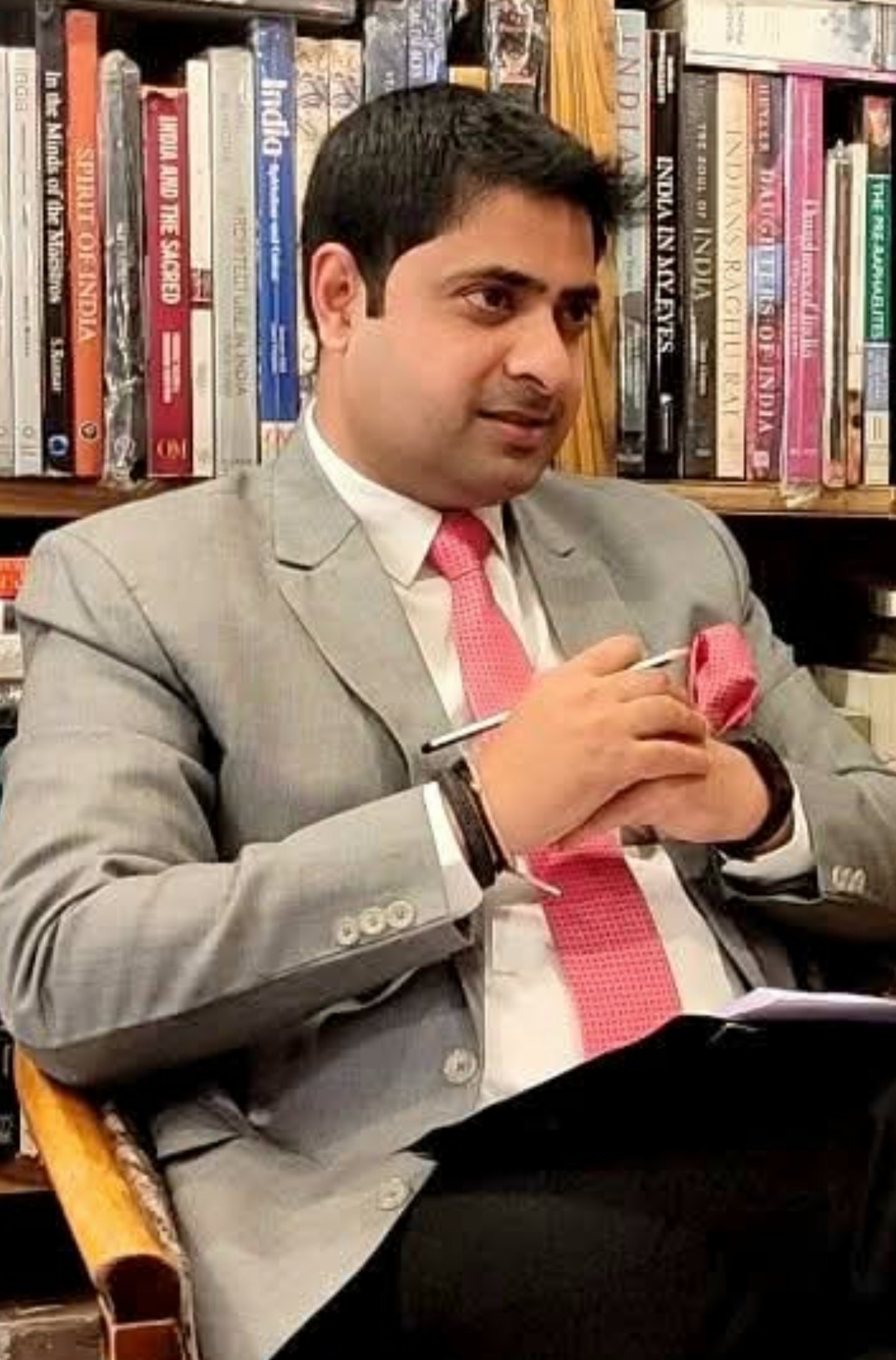
Garg is not a commentator observing from a distance. A 1983-batch Indian Administrative Service officer of the Rajasthan cadre, he served as Secretary and Principal Secretary (Finance) in Rajasthan before moving to the Ministry of Finance, where he held positions including Joint Secretary, Secretary, and eventually Finance Secretary and Economic Affairs Secretary.
He was also India’s Executive Director at the World Bank. Since taking voluntary retirement in October 2019, he has published four books on economic policy and has become a familiar figure on national television each budget day, decoding the finance minister’s speech as it is delivered.
The book’s premise is that the budget is simultaneously a political document and an accounting exercise, and that neither dimension can be understood in isolation from the other.
Garg draws on his years inside the Ministry of Finance to explain how taxation proposals, expenditure allocations, and borrowing targets are negotiated among competing ministries, political priorities, and fiscal constraints.
The publisher describes the book as part insider memoir and part guide to public finance, aimed at the taxpayer, student, entrepreneur, or anyone who has wondered why prices shift every February.
What makes this intervention timely is the current strain on the Indian budget. The government faces demands for infrastructure investment, pressure to expand welfare transfers, constraints imposed by debt levels, and the political arithmetic of a coalition.
Garg, having spent years inside the room where these trade-offs are settled, is positioned to explain not only what the government spends but why it spends it that way, and who benefits from the choices made.
His previous books, including We Also Make Policy and No, Minister, suggest a willingness to be candid about the internal workings of government, including friction with regulators and senior colleagues. That candour is likely to serve this book well.
The limitation, as with any insider account, is that the view from the Finance Ministry is not the view from everywhere.
Garg writes as a senior administrator explaining the machinery he operated, not as a critic examining the outcomes of that machinery for those on the receiving end of budget decisions.
Readers looking for an assessment of whether India’s budget priorities are correct, or whether the fiscal architecture serves the poorest citizens effectively, will need to look elsewhere.
What Garg offers is something narrower but still valuable: a clear explanation of how the document is assembled, where the pressure points lie, and why the final numbers look the way they do.
At 376 pages, the book has room to develop its argument without becoming exhaustive. For citizens who feel that the budget is something that happens to them rather than something they can understand, Garg’s account offers a corrective.
The budget is not a mystery. It is a choice, made by people, under constraints, with consequences that reach every household. Understanding how those choices are made is the first step toward holding the choosers accountable.