
There is a particular kind of fascination that grips a civilian mind when an Indian Air Force jet thunders across the sky, a mixture of awe for the machine and a quiet curiosity about the person sitting inside that cockpit.
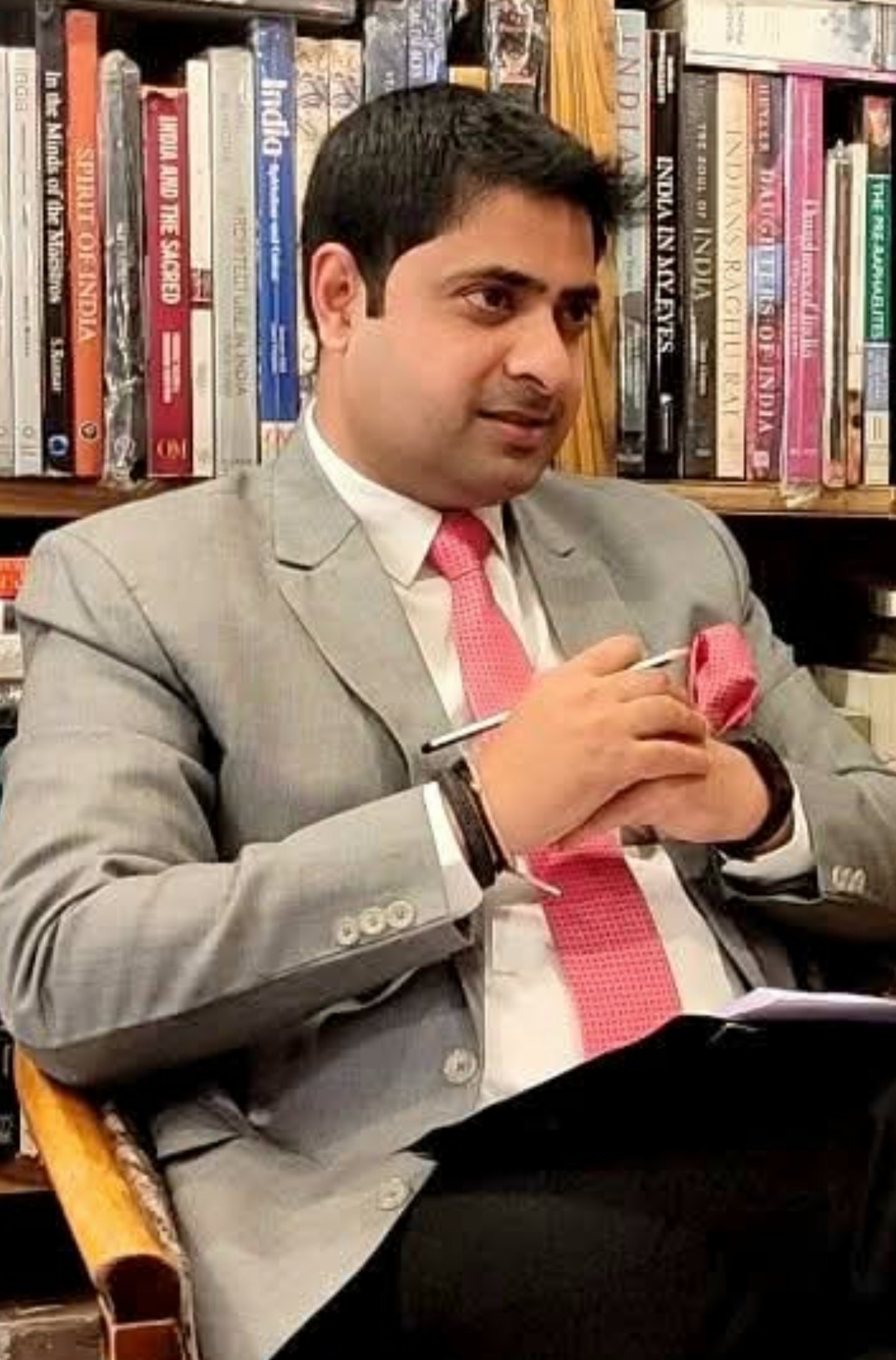
Wing Commander Arijit Ghosh understands this curiosity intimately, and in his latest book, Air Warriors 2, he does not simply feed it with tales of derring-do but instead offers something far more nourishing and human. Having spent twenty-five years in the uniform, the author brings an insider’s ease to the narrative, and the result is a collection of stories that feel less like a formal military history and more like a long, unhurried conversation with a veteran who has seen it all and is finally ready to share the bits that never make it to the evening news.
Published by Penguin under the Veer imprint, the book arrives at a moment when public attention on the IAF is particularly sharp, given its role in the high-stakes Operation Sindoor. Ghosh wisely uses this contemporary hook to draw readers in, but he quickly pivots to the quieter, more textured corners of service life that rarely get the spotlight.
What makes this follow-up to the widely successful first volume stand out is its refusal to be just a catalogue of missions flown and targets hit. Instead, the author trains his eye on the spaces between the operations, where the real character of the force is forged.
The chapters that linger longest in the mind are those that take us far away from the glamour of the fighter cockpit. There is a delightful segment about boisterous games of cricket at the National Defence Academy, where future wing commanders argue over runs and wickets with the same intensity they would later bring to a sortie.
These are not mere filler anecdotes; they serve a deeper purpose, reminding the reader that the men and women who fly the country’s most expensive machines were once young cadets who squabbled over a leather ball under the sun. Similarly, the descriptions of perilous landings on the tiny, unforgiving helipads of Siachen strip away the sheen of invincibility and replace it with a profound respect for the sheer skill and nerve required to operate in such terrain.
Ghosh writes about these moments without hyperbole, letting the inherent danger of the situation speak for itself, and in doing so, he achieves a quiet emotional resonance that a more breathless tone would have ruined.
Where the book truly distinguishes itself from standard military fare is in its treatment of Operation Sindoor and the lessons drawn from it. Rather than offering a dry after-action report or a jingoistic celebration, Ghosh approaches the subject with the measured thoughtfulness of a historian who also happens to have worn the uniform.
He is interested not just in what happened, but in why it mattered and what it revealed about the institution’s strengths and its blind spots. This analytical restraint is refreshing, and it lends the book a credibility that more sensational accounts often lack.
The prose throughout is unpretentious and clear, carrying the reader along without ever feeling the need to show off. Ghosh is not trying to be a literary stylist; he is trying to be a good storyteller, and he succeeds precisely because he trusts his material.
The people who populate these pages feel real, not because they are described in elaborate detail, but because their actions and their banter and their moments of fear and resolve are rendered with such unaffected sincerity. One gets the sense that the author genuinely likes these people, and that affection is infectious.
If there is a mild criticism to be made, it is that the book occasionally tries to cover too much ground, moving from historic missions to training academy nostalgia to high-altitude operations with a swiftness that leaves some sections feeling a touch underdeveloped. A little more time spent in certain chapters would have been welcome, but this is a minor quibble in a book that otherwise delivers exactly what it promises and then some.
Air Warriors 2 is not a dry institutional biography nor a collection of chest-thumping war stories; it is a warm, clear-eyed portrait of a professional force at work, written by someone who knows its heart and respects its silences.
For anyone who has ever looked up at a passing aircraft and wondered about the person inside, this book is a fine place to find some answers.