
DD Correspondent
NEW DELHI: In a major success against transnational narcotics syndicates, the Narcotics Control Bureau (NCB) has secured the return to India of wanted fugitive drug trafficker Virender Singh Basoya alias Viru alias Basoya from the United Arab Emirates (UAE).
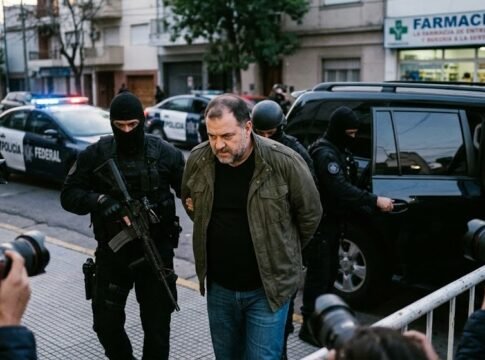
Basoya, a resident of Pillanji, Sarojini Nagar, Delhi, was taken into custody upon his arrival at the Indira Gandhi International Airport in New Delhi early Friday morning.
He had been arrested in the UAE in June 2026 following an INTERPOL Red Notice issued at the request of the NCB. His return was secured through sustained coordination between Indian agencies and UAE authorities.
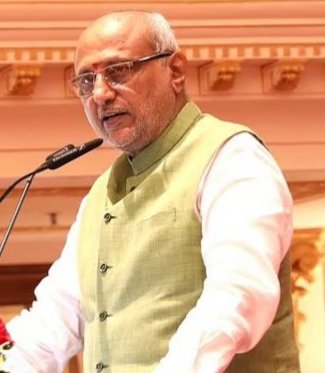
Union Home Minister Amit Shah said the Modi government was relentlessly tracking down drug traffickers hiding abroad and dismantling their entire ecosystem. He said the return of Basoya marked another milestone in the government’s zero-tolerance policy against narcotics.
The case originated in Pune in February 2024, when the Pune City Police seized 500 grams of Mephedrone. Subsequent investigation led to the recovery of around 867 kg of Mephedrone from Pune and 970 kg from Delhi, taking the total seizure to approximately 1,837 kg.
The investigation, later transferred to the NCB’s Mumbai Zonal Unit, identified Basoya as a key overseas operative and alleged conspirator who coordinated the syndicate’s activities from abroad and facilitated the export of Mephedrone consignments from India.
NCB said a consignment of around 970 kg of Mephedrone recovered in Delhi was allegedly linked to preparations for export through courier channels associated with Basoya.
Basoya also figures in a separate Delhi Police Special Cell case involving international cocaine trafficking. In October 2024, the Special Cell busted a major drug cartel and recovered more than 1,300 kg of cocaine, Mephedrone and hydroponic weed during coordinated operations in Delhi, Hapur, Ghaziabad and Ankleshwar, Gujarat.
According to the investigation, Basoya allegedly played a role in coordinating the procurement, transportation, storage and distribution of cocaine and other narcotics.
His return is part of the NCB’s Operation GLOBAL-HUNT, aimed at identifying, locating and bringing major narcotics traffickers and fugitives operating from overseas jurisdictions back to India. The operation uses international cooperation mechanisms, including INTERPOL Red Notices, and strengthens coordination with foreign law-enforcement agencies.
The NCB said the return of other wanted drug traffickers, including Mohammad Salim Dola from Türkiye and Navin Chichkar from Malaysia, were also significant achievements under the initiative.
The agency said bringing fugitives back to India is part of the government’s Vision Document on Drug Control (2026–2029), which envisages sustained efforts to locate and bring back major narcotics fugitives operating abroad.
The NCB reiterated its commitment to the government’s zero-tolerance policy against drug trafficking and said it would continue to pursue drug kingpins, financiers, handlers and fugitives operating both within India and abroad.