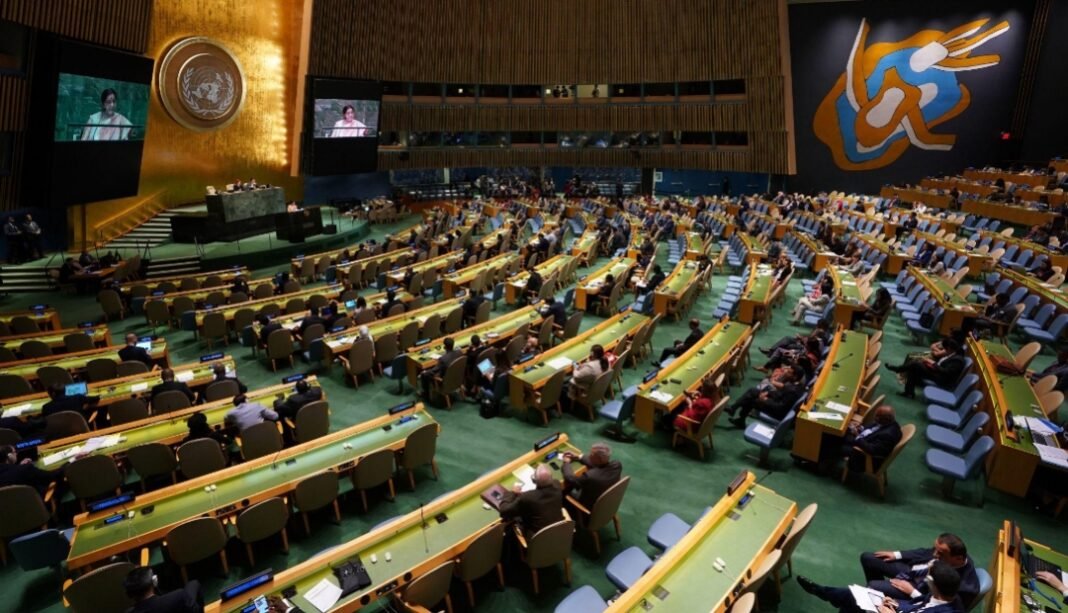

The United Nations is often described as the world’s great meeting place—193 countries gathering to debate war, peace, climate, poverty, and human rights. That’s the romantic version. The real UN is far more hierarchical, political, and uneven than the polished speeches at the General Assembly suggest.
Its ability to act—or fail—comes down to three centers of power that shape almost every major decision: the Security Council, the Secretariat, and the permanent missions where diplomats negotiate away from cameras. Understanding these three engines explains why the UN can deliver massive humanitarian aid in one region yet sit helplessly in the face of atrocities in another.
Why the Security Council Decides Everything
The Veto: The Most Powerful Word in Global Politics
The United Nations Security Council (UNSC) remains the only UN body whose decisions are legally binding. If the world needs sanctions, peacekeepers, or the authorization of force, it must pass through here.
The Council has 15 members:
• 5 permanent, veto-wielding powers (P5) — China, France, Russia, the UK, and the US
• 10 non-permanent members elected for two-year terms
The problem is baked into the system: any one of the P5 can kill any non-procedural resolution with a single veto.
That single rule—unchanged since 1945—defines the UN more than any other part of the Charter.
Vetoes in Recent Years
The political gridlock of the 2020s made the veto even more visible:
• 2024: Eight vetoes across seven draft resolutions (highest since 1986).
• 2025: Four vetoes (two by the US on Gaza drafts, two by Russia on Ukraine). Only 44 resolutions adopted, the lowest since 1991.
Historically, Russia/USSR leads with 129 vetoes, followed by the US (89–90, heavily on Israel-related issues). China: 19. UK: 29. France: 16—the last time Paris or London used the veto was 1989.
Reform campaigns like the France-Mexico veto restraint initiative and the ACT Code of Conduct have support among smaller states, but they are voluntary and do not bind the P5.
Non-Permanent Members: Influential but Not Equal
Countries like Bahrain, Colombia, Denmark, Pakistan, Latvia, and Panama—part of the 2026 lineup—can influence agendas, especially when they serve as “penholders” drafting resolutions.
But without a veto, they still operate in a hierarchy dominated by the big five.
When crises involve P5 interests—Ukraine, Gaza, Myanmar, Sudan—the Council’s machinery freezes.
The Secretariat: Quiet Power, Constant Pressure
Where Bureaucracy Meets Diplomacy
Behind the diplomatic theater is the UN Secretariat, led by the Secretary-General. It runs peacekeeping, political affairs, humanitarian operations, and the day-to-day machinery of the organization.
Though often described as neutral, the Secretariat has real leverage:
• It drafts reports that shape Security Council debates.
• It conducts “good offices” diplomacy—quiet talks that can steer negotiations.
• It invokes Article 99, allowing the Secretary-General to bring threats to peace directly to the Council.
Guterres and the Road to UN80
António Guterres, in office until December 31, 2026, has used his position to push climate security, inequality, and atrocity prevention into global discussions.
His UN80 reform drive (launched in 2025) aims to streamline a system strained by donor fatigue and budget shortfalls—proposing up to 20% staff cuts, mandate consolidation, and efficiency reforms.
Choosing the Next Secretary-General
The 2026 race underscores how the Secretariat depends on great-power consent. Candidates like Michelle Bachelet (Chile) and Rafael Grossi (Argentina) may have strong credentials, but the selection process still requires:
• Security Council recommendation (9 votes, no P5 veto)
• General Assembly appointment
Despite calls for gender parity, no woman has held the post in 80 years. The process is more transparent than in the past, yet still shaped by P5 interests.
Permanent Missions: Where the Real Deals Are Made
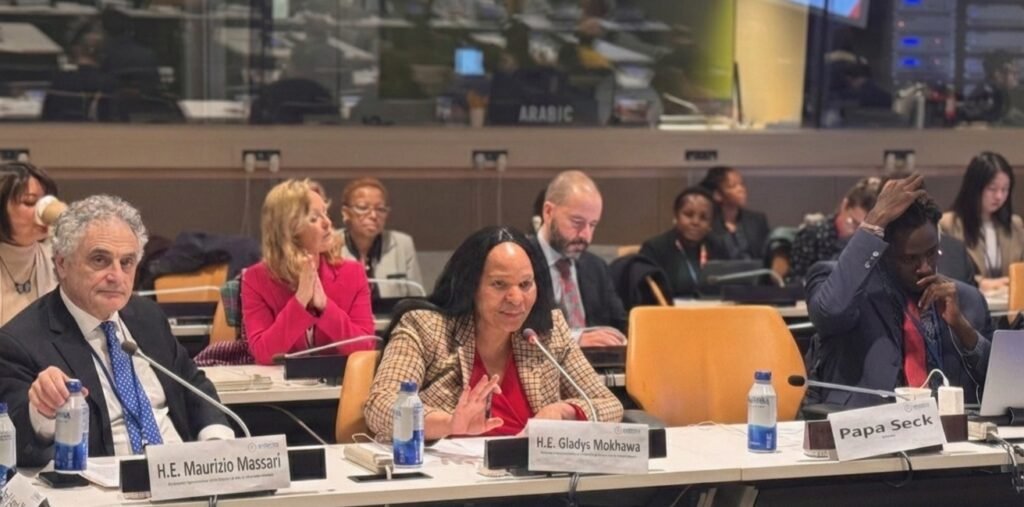
Away from the cameras, diplomacy at the UN is negotiated inside permanent missions—country embassies to the UN.
This is where:
• Resolutions are drafted and rewritten.
• Votes are traded, lobbied, or secured through alliances.
• Coalitions like the Non-Aligned Movement or African Group coordinate positions.
• Informal “Arria-formula” meetings allow sensitive discussions outside formal chambers.
Well-resourced missions—especially those of the P5—have teams focused on peacekeeping, sanctions, human rights, and Security Council politics. Smaller missions rely on alliances and “Friends of” groups to amplify their voices.
In reality, resolutions aren’t born in the Council hall. They’re cooked in small rooms, hallway huddles, WhatsApp groups, and late-night sessions between ambassadors.
Why the UN Can Act in Some Crises and Freeze in Others
The UN’s strengths and failures are not contradictions—they stem from its design.
Where the UN Works Well
• Humanitarian aid: UNICEF, WHO, UNHCR deliver at massive scale.
• Peacekeeping: Over 70,000 personnel in 11 missions (as of 2026).
• Development and climate programs maintain steady results.
These areas require resources and coordination, not consensus among great powers.
Where the UN Stumbles
When the crisis touches a P5 interest—Russia’s war in Ukraine, US-Israel dynamics in Gaza, China’s sensitivities on Myanmar—the system hits a wall.
The UN wasn’t designed to override the powerful. It was designed to prevent World War III by letting the powerful block anything that threatens their core interests.
That logic remains intact in 2026.
The UN’s Future: Stuck Between Aspiration and Power Politics
A growing multipolar world, new security concepts (like the proposed Board of Peace models), and budget shortages make reform even more urgent. But any structural change requires P5 approval, meaning the system guards its own inequality.
So the UN of today is a paradox:
• Capable of extraordinary humanitarian action.
• Incapable of consistent political action where great powers clash.
• Essential, yet structurally constrained.
• Respected, yet frequently ignored.
The UN is not failing.
It is functioning exactly as its architecture intends—a diplomatic arena where ideals meet hard power, and power usually wins.