


Syed Amjad Shah
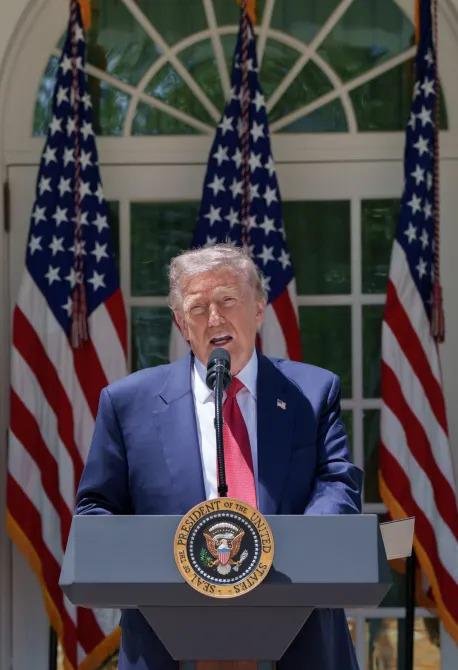
Jammu, J&K (India): United States President Donald Trump has arrived in China to meet his Chinese counterpart, President Xi Jinping, as tensions continue to escalate in the Strait of Hormuz.
The tensions have intensified due to the counter-blockade by the US Navy near the strait, close to Oman, which has severely disrupted global fuel supplies. The situation has created fears of fuel shortages, compelling governments across Asian countries to take measures to address the emerging crisis.
While Iran’s Islamic Revolutionary Guard Corps (IRGC) and its naval forces continue to dominate the strategically important trade route in the Persian Gulf, the United States has reportedly restricted the movement of ships coming out of Iranian ports, increasing pressure on the Iranian government to agree to ceasefire terms.
However, Iran has declined to accept the ceasefire conditions proposed by the US government. Tehran has instead demanded permanent peace guarantees, assurances against future military threats — including in Lebanon and Yemen — compensation for damages caused in Iran, and the unfreezing of Iranian assets seized abroad.
Amid the renewed tensions, Trump’s visit to China has added a new dimension to the geopolitical situation, placing both the United States and China under increased diplomatic pressure during the ongoing blockade and counter-blockade.
According to media reports, the US and China are expected to hold discussions on rare earth minerals and broader trade relations. However, issues related to Iran and Taiwan are also expected to dominate talks between the two global powers.