


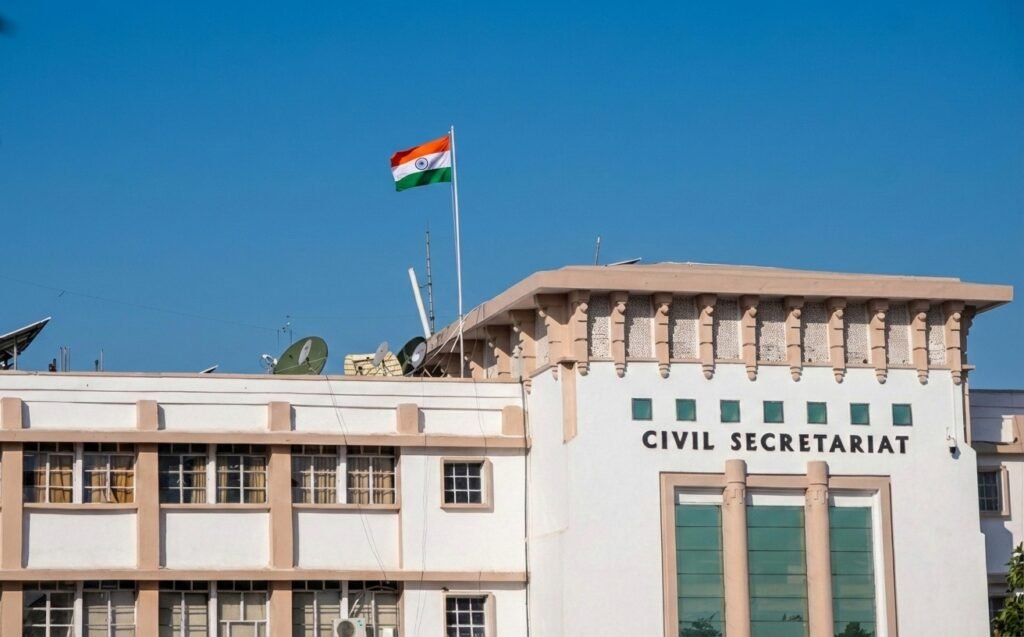
The Darbar Move, which commenced in 1872 under Maharaja Ranbir Singh’s rule, has been a cornerstone of Jammu and Kashmir’s administrative tradition for over 150 years. It primarily involves the periodic relocation of the administrative setup between Srinagar and Jammu. This not only facilitates effective governance but also underscores the importance of both regions. The Darbar Move is imbued with symbolic significance, as it embodies the interconnection between Jammu and Kashmir, ensuring neither region feels neglected. The movement of the administration promotes a sense of unity and shared identity among the people of both regions, highlighting their combined heritage.
Managing two capitals of a state or Union Territory with diverse cultural, traditional, and linguistic profiles requires extraordinary administrative capacity and political acumen. Ensuring that neither region nor its people are marginalized is crucial. The administration of the time possibly would have given careful thought and evaluation of different governance models, apparently determined that the Darbar Move system was the most suitable governance structure for Jammu and Kashmir’s unique situation. This system embodies unity, mutual respect, and a deep understanding of the region’s diverse cultural and religious heritage.
Jammu and Kashmir exemplifies a melting pot of cultures where individuals from diverse faiths and backgrounds coexist in harmony. Muslims, Hindus, Sikhs, and Christians reside side by side, participating in each other’s festivities and enriching the region’s cultural heritage. The linguistic diversity is equally impressive, with languages such as Urdu, Kashmiri, Dogri, and Punjabi being spoken. Effective communication among people from different linguistic backgrounds is truly remarkable. This diversity renders Jammu and Kashmir a distinctive and vibrant component of India. The notion of unity in diversity is deeply ingrained in the region’s history and culture, fostering a strong and resilient community. The bond among residents is reflected in the rich traditions, folk music, and dance forms, demonstrating the potency of unity and coexistence. Jammu and Kashmir serves as a paradigm for the rest of India, illustrating how individuals from varied walks of life can unite, respect each other’s convictions, and celebrate their diversity, thereby creating a more robust and vibrant society.
Known as ‘Mini India‘, Jammu and Kashmir is a microcosm of the country’s incredible diversity. Darbar Move becomes symbolic not for providing equitable governance to both the regions but for other developmental aspects of the people of J&K. There is involvement of cultural & social exchange in it. The social & economic development of various sects living in different regions & sub-regions of J&K is very much linked with this Move. It has contributed a lot in maintaining unity in diversity & communal harmony despite of various ups & downs in J&K.
When the HQs move from Srinagar to Jammu on Darbar Move, it has been observed that nomadic people & shepherds rearing cattle/sheep also move along it towards their grazing lands in Jammu region. Students across the length and breadth of UT of Jammu and Kashmir after completing their academic session also proceed to search out new colleges & tutorial centers at Jammu or outside in their leisure of winter vacations. The transporters, businessmen & many more find a new way of their earnings while moving to Jammu along with Darbar Move & during severe winters in Kashmir. Fruit growers & artisans also get use of new market openings at Jammu & outside with the moving of Govt HQs. All these practices are carried out since the inception of Darbar Move. This influx of people for few months during winters giving huge boost to the economy of Jammu. Big markets, shopkeepers etc remained busy in business and earning and also share a bond of love and diversity.
Similarly, the Biennial Darbar Move of Govt HQs from Jammu to Srinagar, marks the beginning of spring season in Kashmir when people of Kashmir use to come out of around four months winter-lockdown. This Biennial Move is again associated with shifting of sheep & goat rearing people mostly bakerwals from their winter pastures to those located in different sub regions of Kashmir region. Students of both local & national apart from seeking education in Kashmir during harsh hot weather also along with international tourists plan for outings & spending their holidays during the Govt HQs remain there in famous paradise on earth i.e. Kashmir.
The Government quarters and hotels in Srinagar, accommodating employees from Jammu, serve as a focal point for various religious activities. During festivals and religious events, these quarters, particularly Tulsibagh and others, transform into a convergence point for pilgrims and locals alike, these places get flooded with relatives and acquaintances of employees depicts a festival of togetherness. From here everybody visit to prominent sites such as Amarnath Yatra, Kheer Bhawani, and Shankaracharya Temple etc. It is commendable to witness Muslim employees participating alongside their Hindu colleagues in festivities and visiting sacred sites like Kheer Bhawani, exemplifying the rich diversity of Kashmir. The annual Kheer Bhawani festival is a significant occasion, showcasing communal harmony as people from diverse faiths gather to celebrate. The Amarnath Yatra and visits to Shankaracharya Temple further enhance Srinagar’s spiritual ambiance.
Darbar Move isn’t only important for exchange of power centre between Srinagar & Jammu or vice versa for providing good governance to both the regions of J&K but it is more important for equitable cultural, social, educational, economic & infrastructural development of two regions. More importantly, it maintains harmony & unity in diversity of all the sections among different religious & regional communities of J&K. Those who are residing alongside the National Highway of J&K also don’t feel alienated but are benefitted in earning their livelihood by virtue of continuous hustle & bustle of commuters for all times due to this Darbar Move.
Likewise opening of Mughal Road & Sinthan Top road a few years back have also started contributing on same lines & made us to know the importance of Darbar Move. So its continuation in the larger interest of people of J&K is pivotal keeping in view its significance on economic & developmental point lines.
Jammu and Kashmir’s cultural heritage is distinguished by its multifaceted nature, blending diverse traditions, geographical characteristics, and demographic elements in a way that is distinct from other regions of the country. This blend is evident in the region’s art, architecture, cultural festivals, and rituals, which, despite regional variations, contribute to a strong sense of unity in diversity. The region’s historical and cultural legacy serves as a testament to its unique cultural identity and its contribution to the broader cultural mosaic of India.
Knowing the customary significance of Darbar, the revival of the Darbar move is a significant and progressive initiative that seeks to enhance cultural, social, and religious connections. Effective governance is marked by the ability to anticipate and adapt to change, ensuring a smoother transition. The recent decisions in the political and administrative domains are commendable and uplifting. The restoration of the Darbar Move is a notable measure that aims to strengthen cultural and social harmony, upholding the ideal of unity in diversity. By connecting the two regions for the benefit of their people, this initiative bridges the divide and potentially lays the groundwork for Viksit Jammu and Kashmir. The decision to restore the Darbar Move is strategic, integrating Kashmir with Jammu and the rest of India through seasonal movement, promoting economic and cultural exchange.
To be continued…