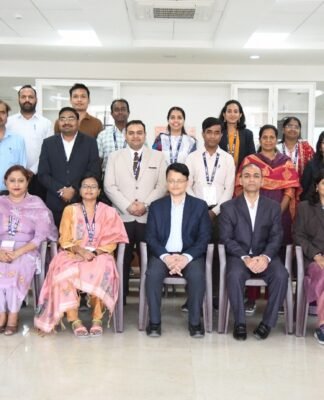
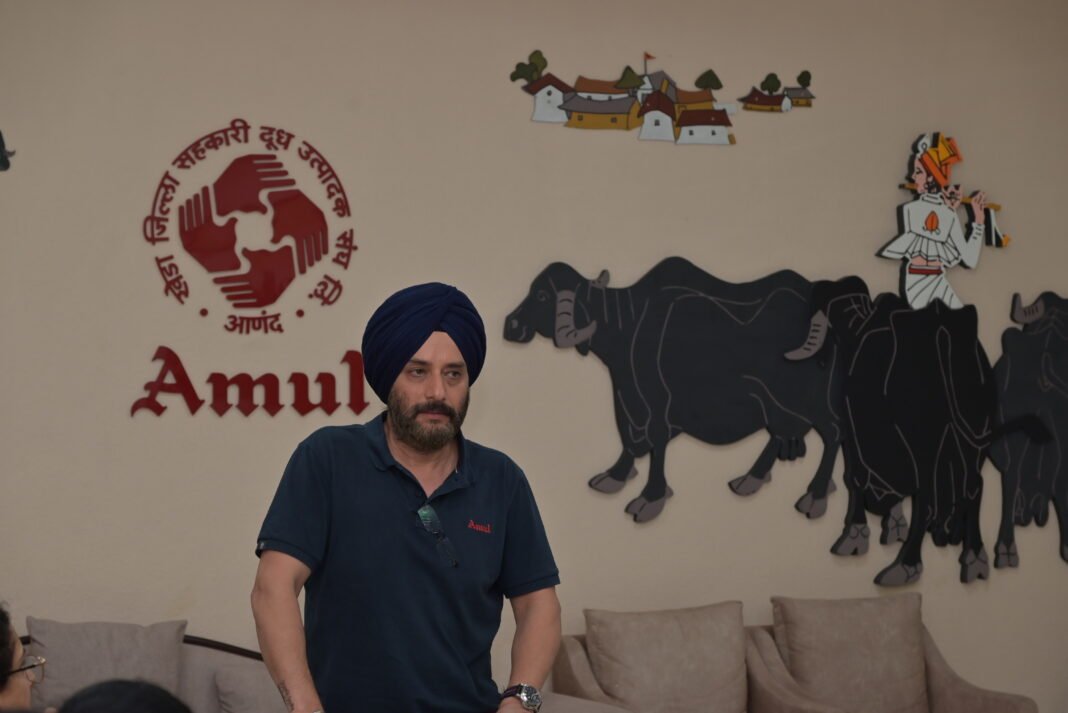

India’s transformation from a milk-deficient country to the world’s largest milk producer is widely regarded as one of the most remarkable development stories of modern India. At the centre of this transformation stands Amul, a cooperative movement that revolutionized the dairy sector, empowered millions of farmers and reshaped the rural economy. What began as a local struggle against exploitation in a small town of Gujarat eventually evolved into the White Revolution, turning India into the largest producer of milk in the world.
The story of Amul began in 1946 in Anand, Gujarat, when dairy farmers united against the unfair practices of private milk contractors and middlemen. Inspired by the vision of Sardar Vallabhbhai Patel and guided by leaders such as Tribhuvandas Patel, the farmers formed a cooperative society to take control of milk procurement, processing and marketing. The initiative began modestly with just two village dairy cooperative societies and a daily collection of 247 litres of milk, but it laid the foundation of a movement that would later transform India’s dairy landscape.
The growth of Amul was driven by the leadership of Dr. Verghese Kurien, widely known as the architect of India’s White Revolution. Under his professional management and visionary planning, the cooperative expanded rapidly, introducing modern dairy technology and establishing an efficient supply chain connecting farmers directly with consumers. This system, popularly known as the “Anand Pattern”, became the model for dairy development across the country.
The Amul model follows a three-tier cooperative structure: village dairy cooperative societies at the grassroots level, district milk unions responsible for processing and production, and a state-level marketing federation responsible for branding and distribution. This structure ensured that farmers remained the owners of the enterprise while professionals managed the operations. By eliminating middlemen and ensuring fair prices for milk producers, the model significantly improved rural incomes and strengthened agricultural sustainability.
Recognizing the success of this model, the Government of India established the National Dairy Development Board (NDDB) in 1965, which launched the famous Operation Flood programme to replicate the Amul pattern nationwide. This initiative created a nationwide milk grid, increased milk production and connected millions of farmers to organized dairy markets.
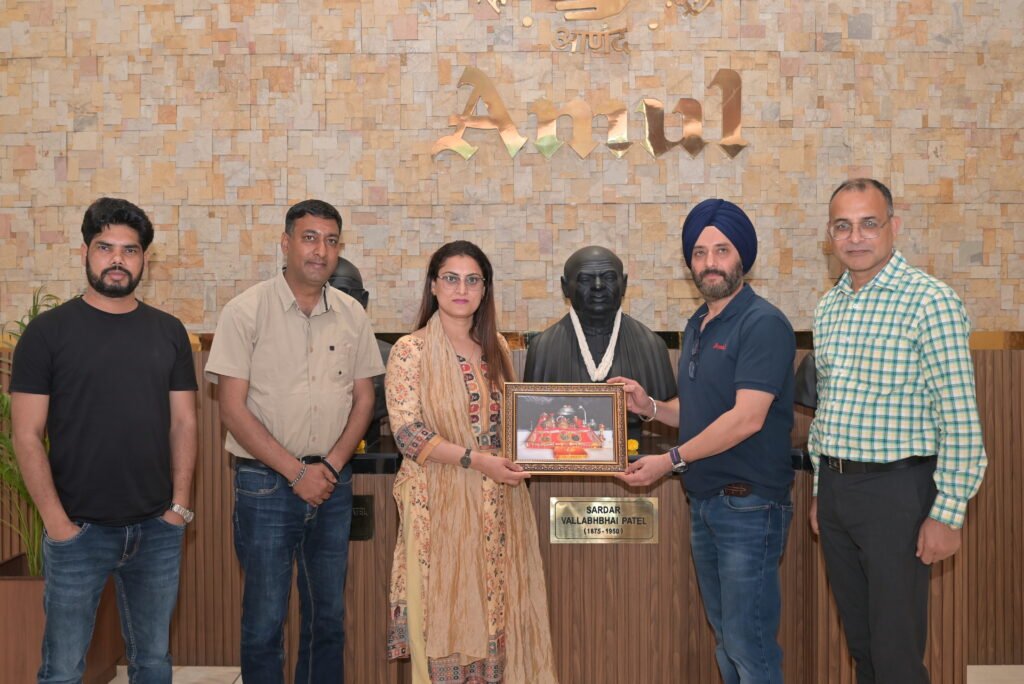
Today, the cooperative is represented by the Gujarat Cooperative Milk Marketing Federation (GCMMF), India’s largest food products marketing organization. The federation collects approximately 35 million litres of milk every day from around 18,600 village dairy cooperative societies representing more than 3.6 million milk producers. With a milk handling capacity exceeding 50 million litres per day, Amul has emerged as one of the world’s largest dairy networks.
Economically, Amul has witnessed remarkable growth. In the financial year 2023–24, the federation recorded a turnover of approximately ₹59,545 crore (about US $7.3 billion). The cooperative operates through 87 branches supported by around 15,000 dealers and nearly one million retailers, making it one of the most extensive food distribution networks in India.
Although Amul originated in Gujarat, its manufacturing and processing network today extends across the length and breadth of India, making it a truly national dairy enterprise. Through GCMMF and its affiliated milk unions, Amul operates a vast network of dairy processing plants, satellite dairies, chilling centres and partner manufacturing facilities across multiple states. The core cooperative dairies include Kaira (Amul Dairy, Anand), Banaskantha Dairy, Mehsana Dairy, Sabarkantha Dairy, Panchmahal Dairy, Bharuch Dairy, Rajkot Dairy, Valsad Dairy, Junagadh Dairy, Porbandar Dairy, Gandhinagar Dairy, Amreli Dairy, Kutch Dairy and Surat–Tapi (Sumul) Dairy in Gujarat. Beyond Gujarat, Amul’s manufacturing and allied processing facilities operate across states including Uttar Pradesh, Haryana, Punjab, Rajasthan, Maharashtra, Madhya Pradesh, Bihar, Jharkhand, Chhattisgarh, West Bengal, Andhra Pradesh, Telangana, Assam, Himachal Pradesh, Uttarakhand and Goa, ensuring nationwide procurement, production and distribution of dairy products. Major production hubs are located in cities such as Kanpur, Lucknow, Ghaziabad, Faridabad, Panipat, Rohtak, Jaipur, Jodhpur, Pune, Mumbai, Nagpur, Bhopal, Ujjain, Patna, Guwahati, Hyderabad, Chittoor, Jalpaiguri and Hooghly, among others. This extensive network enables Amul to process millions of litres of milk daily while maintaining product freshness and strengthening the national dairy supply chain.
Amul’s product portfolio has also expanded significantly over the years. Today the brand offers a wide range of dairy and food products including milk, milk powder, butter, ghee, cheese, paneer, ice cream, chocolates, sweets, beverages and value-added dairy products. These products are widely recognized for their quality, affordability and reliability, making Amul a household name across India. The famous slogan “Amul – The Taste of India” reflects the deep emotional connection between the brand and the people of the country.
Amul has also established a strong presence in global markets. Its products are exported to several countries including the United States, Gulf nations, Singapore, the Philippines, Japan, China and Australia, making GCMMF one of India’s leading dairy exporters. Through consistent quality and innovation, Amul has earned global recognition in the international dairy trade.
Beyond business success, Amul has also focused on sustainability and social responsibility. Dairy cooperatives under the Amul network have undertaken large-scale tree plantation drives, renewable energy initiatives and circular economy programmes such as biogas production from cattle dung and environmentally sustainable farming practices. These initiatives demonstrate the cooperative’s commitment to environmental protection and responsible development.
The cooperative dairy model pioneered by Amul has also been successfully adopted in the Union Territory of Jammu & Kashmir through the Jammu & Kashmir Milk Producers Cooperative Limited (JKMPCL). Registered under the J&K Self-Reliant Cooperative Act, 1999, JKMPCL functions on the renowned Amul pattern with operational support from the Gujarat Cooperative Milk Marketing Federation. The organization procures milk from more than 1,300 Village Dairy Cooperative Societies across 15 districts of Jammu & Kashmir, providing sustainable livelihood opportunities to over 60,000 rural households, particularly youth engaged in dairy farming. By sourcing fresh milk directly from local farmers and processing it using modern dairy technology, JKMPCL produces a variety of dairy products including fresh milk, cheese and dahi. With a sales turnover exceeding ₹270 crore during the financial year 2022–23, JKMPCL has played an important role in strengthening the dairy economy of Jammu & Kashmir and integrating the region into India’s cooperative dairy network.
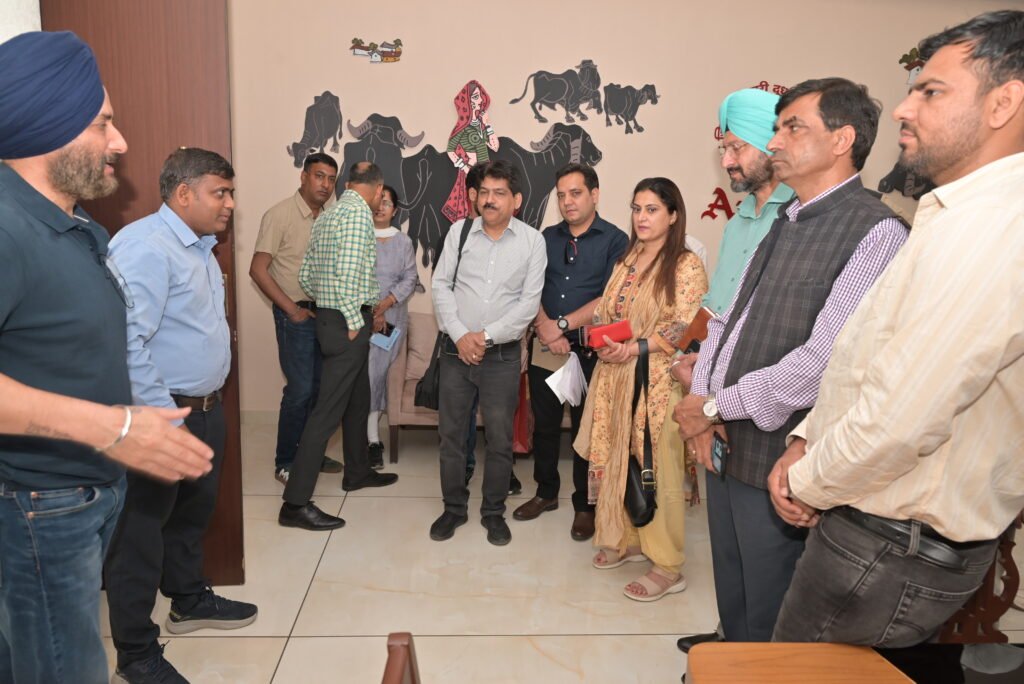
During the recent visit of the PIB Media Delegation to the iconic Amul Dairy at Anand, members of the delegation were given a detailed briefing on the cooperative’s operations, farmer-centric model and sustainability initiatives by Mr. Amarjeet Singh, Senior Manager (Milk Procurement, Third-Party Operations & Sustainability), Kaira District Cooperative Milk Producers’ Union Ltd. The delegation, led by Ms. Neha Jalali, Director, Press Information Bureau, Jammu, interacted with officials and gained firsthand insights into the functioning of the world-renowned cooperative movement that transformed India’s dairy sector.
Today, Amul stands not merely as a dairy brand but as a powerful symbol of cooperative success, rural empowerment and national development. From a small farmers’ movement in Anand to a nationwide and globally respected dairy institution, the Amul story continues to inspire how collective effort, visionary leadership and grassroots participation can transform an entire sector of the economy.